About
Built From Real Animal Welfare Experience
Pet Safe SOP was created from years of hands-on experience in animal shelters, veterinary clinics, foster care and emergency preparedness — with one goal: help animal organizations build practical plans they can actually use when something goes wrong.
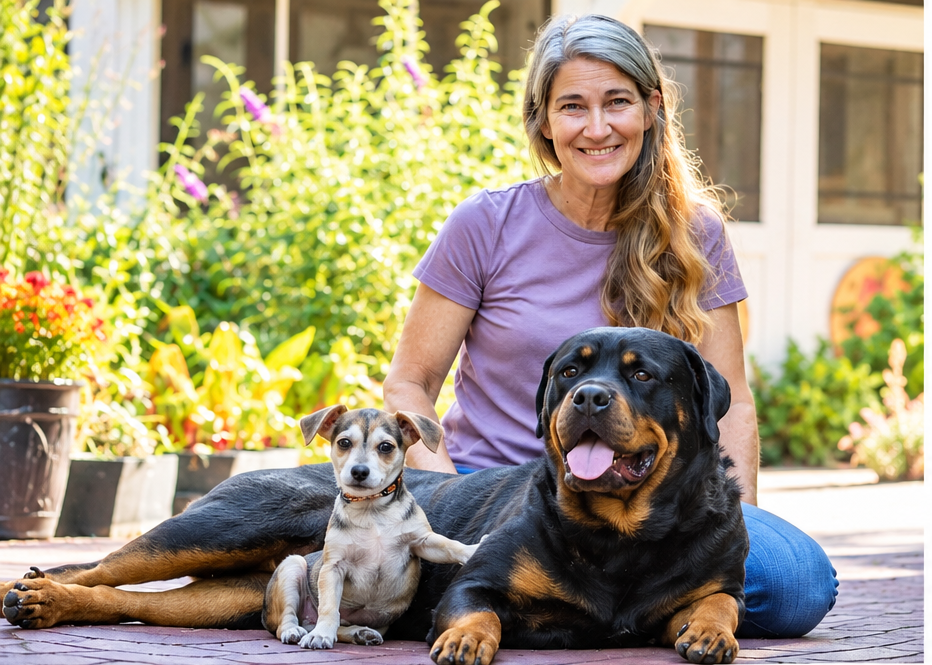
Why I Built Pet Safe SOP
My career in animal welfare taught me that emergencies rarely happen when everything is convenient.
They happen overnight. They happen when staffing is limited. They happen when roads are flooding, power is failing, phones are ringing and animals still need to be fed, medicated, moved and kept safe.
One of the experiences that stayed with me happened while I was working at an animal shelter during the historic flooding that affected South Carolina in 2015. Our shelter did not have the kind of comprehensive emergency SOP I believe animal organizations should have available before a disaster happens.
Later, when I began working as a shelter manager after the county took over operation of a nonprofit shelter, we essentially started from scratch developing the shelter's SOPs and operational procedures.
Those experiences changed the way I think about preparedness. A plan shouldn't simply exist in a binder. Staff should be able to understand it, find what they need quickly and use it during a real emergency.
That idea eventually became Pet Safe SOP.
More Than 20 Years Caring for Animals
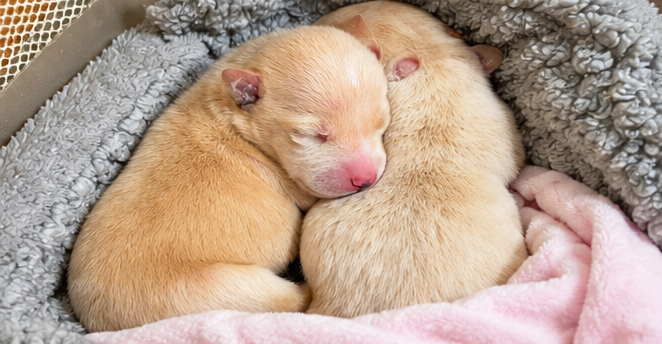
Animals have been part of my life and work for decades. My professional experience includes working in animal shelters and veterinary clinics, along with more than 20 years of fostering animals.
Much of my foster work has focused on some of the animals who require the most hands-on care — neonatal kittens and puppies and animals with medical needs.
That experience has meant bottle feedings, medications, sleepless nights, emergency veterinary visits and helping vulnerable animals become strong enough for their next chapter.
It also gave me a perspective that goes beyond policies and paperwork. Emergency planning ultimately comes down to protecting animals and giving the people responsible for them clear information when they need it most.
Preparedness Learned From Experience
My approach to emergency planning has also been shaped by working through real emergency threats in animal welfare.
During my shelter career, I worked closely with animal-welfare organizations and experienced teams while preparing for severe weather and hurricane threats. Best Friends Animal Society was among the organizations that provided valuable mentoring and guidance during my shelter work.
Those experiences reinforced something important: emergency preparedness is strongest when organizations think through decisions before the emergency begins.
- Who has authority to close the facility?
- Where will animals go?
- How will they get there?
- What happens if power, water or communications fail?
- Which staff members need to respond?
- What information needs to remain available if the internet doesn't?
Pet Safe SOP was designed around helping organizations work through those questions before they are answering them in the middle of a crisis.
Animal Welfare Is Only Part of My Story
These days, life looks a little different. I'm retired from my former full-time animal-welfare career and I'm also a mom to five grown children and a grandmother to five grandchildren.
Two of my toddler grandsons spend their days with me while their parents work, so my current "full-time job" includes a lot more snacks, toys and toddler adventures than staff meetings.
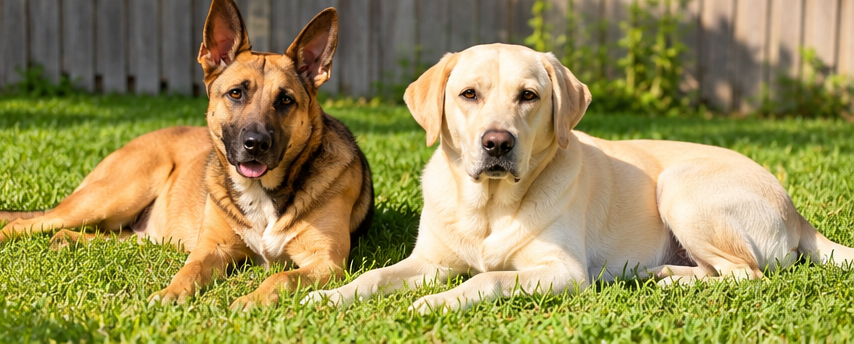
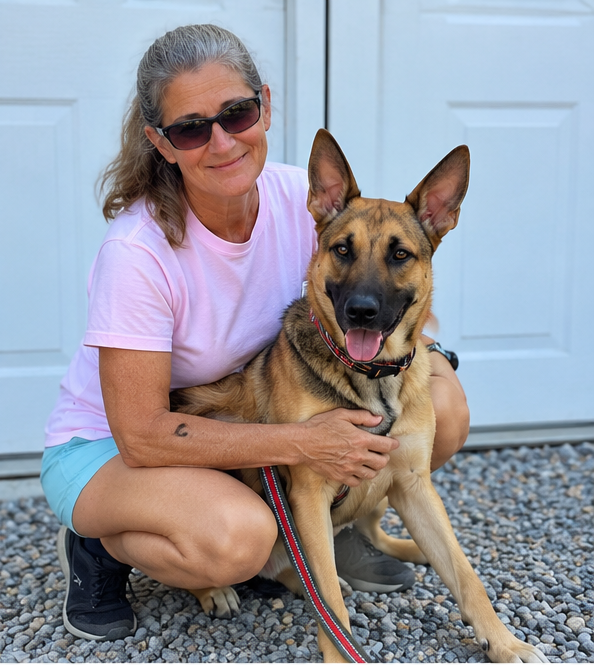
Animals, however, are still everywhere. My current animal family includes Ranger, a Labrador; Hopper, a shepherd/pit mix; Rylie Ann, a Chihuahua; Bumble, a Maine Coon; and Chicken Salad, a domestic shorthair cat. I continue fostering animals as well.
Pet Safe SOP lets me take the lessons I learned throughout my animal-welfare career and turn them into something that may help the people doing that work today.
Emergency Planning Should Be Practical
Pet Safe SOP isn't intended to tell shelters or veterinary teams how to run their organizations. Every facility is different.
- Buildings are different.
- Staffing is different.
- Animal populations are different.
- Local hazards are different.
- Government requirements are different.
Pet Safe SOP provides a structured way for organizations to think through those differences, document their own decisions and keep important emergency information accessible.
The organization remains responsible for its emergency plans, staff training, operational decisions and compliance with applicable laws and regulations.
Pet Safe SOP does not replace emergency services, official government instructions, veterinary medical judgment, legal advice or regulatory requirements.
When immediate life safety is at risk, contact 911 or the appropriate emergency authority.
Emergency Preparedness Keeps Changing
Preparedness isn't something an organization finishes once and forgets. Weather patterns change. Technology changes. Facilities change. Staff changes. Guidance changes. And emergencies teach us new lessons.
That's why Pet Safe SOP will continue following developments in animal shelter, rescue and veterinary emergency preparedness.
The Pet Safe SOP Emergency Preparedness Updates will highlight important guidance, tools, lessons and developments that may help animal organizations strengthen their own planning.
Help Shape Pet Safe SOP
Pet Safe SOP for Animal Shelters is currently being introduced through a controlled beta.
Shelter professionals participating in the beta can build a real emergency plan for their organization, test the emergency tools and help identify what works well — and what could be simpler or more useful.
Feedback from people doing this work in real shelters will help guide improvements before broader release.